





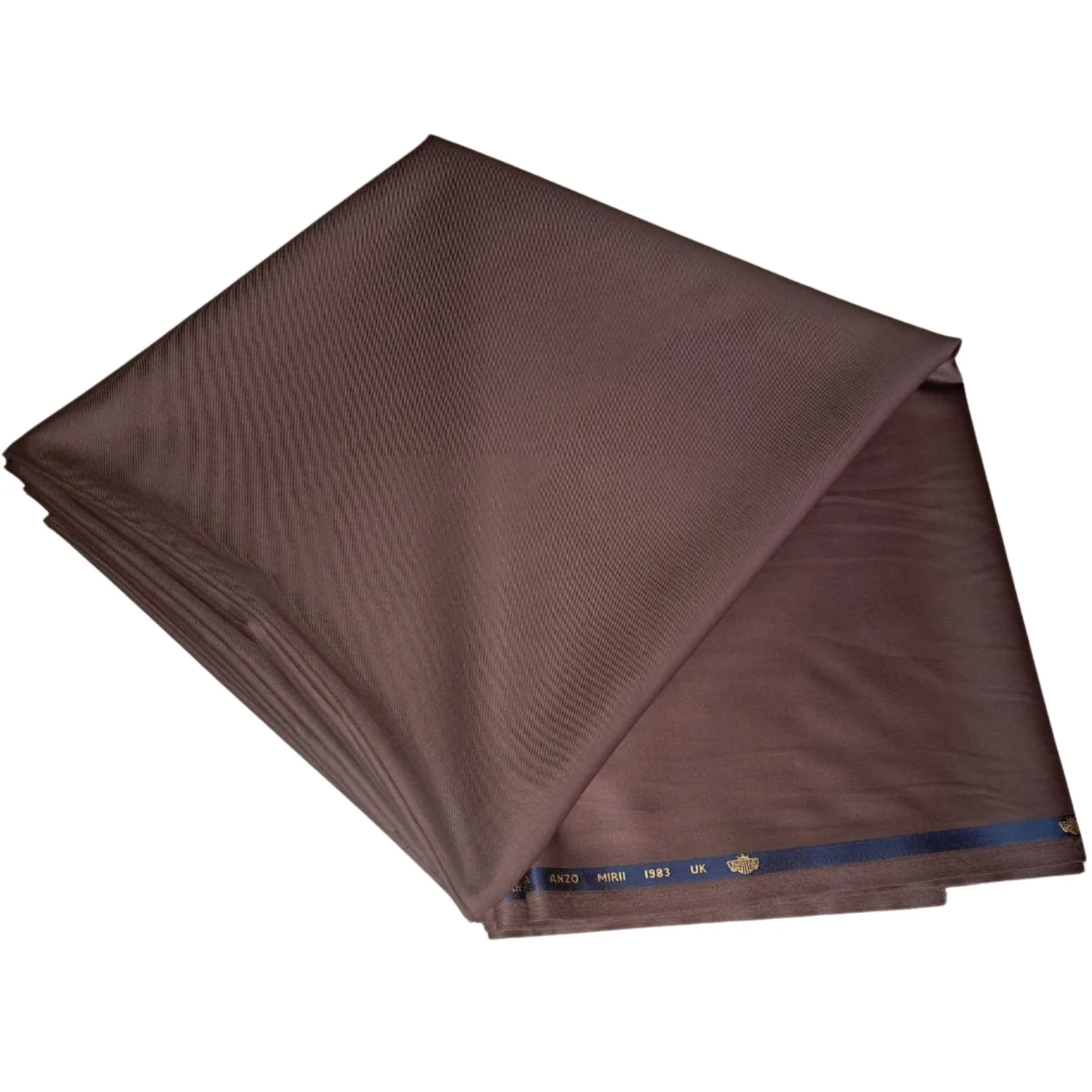
Aso Oke Material is one of Nigeria’s most recognisable traditional textiles, with a particularly strong connection to Yoruba clothing, ceremonies and cultural identity.
For men, Aso Oke can be used for traditional outfits and accessories, including Agbada and caps, and it is especially visible at weddings, engagements, chieftaincy ceremonies and other important celebrations.
But choosing Aso Oke should involve more than selecting an attractive colour.
The weave, texture, design, quantity, intended outfit and quality of the particular material can all affect the finished result.
And while Aso Oke is an excellent choice when its distinctive traditional woven appearance is what you want, it isn’t the only fabric Nigerian men can consider for Agbada and other native outfits.
Understanding the differences helps you choose according to the outfit you actually want.
What Is Aso Oke Material?
Aso Oke is a traditional handwoven textile strongly associated with the Yoruba people of southwestern Nigeria.
The name is commonly used for a family of woven textiles rather than one single modern fabric specification.
Traditionally, narrow woven strips are joined together to create larger pieces suitable for clothing.
Its distinctive woven appearance is part of what separates Aso Oke visually from many smooth-surface materials commonly used for Nigerian men’s clothing.
That difference matters when choosing fabric.
A man looking specifically for the cultural identity and woven character of Aso Oke shouldn’t expect an ordinary smooth material to produce the same result.
Why Is Aso Oke Important in Nigerian Traditional Dressing?
Aso Oke is more than a fabric name.
Its cultural importance is one reason it remains strongly associated with major Yoruba occasions and traditional dressing.
For men, it can contribute significantly to the visual identity of an outfit, particularly at ceremonies where traditional clothing is part of the occasion itself.
Weddings and traditional engagements are obvious examples.
A groom may deliberately choose Aso Oke because the textile is part of the cultural expression he wants for the ceremony, not simply because he needs material for an Agbada.
That distinction is important.
If cultural tradition is central to the outfit, replacing Aso Oke with an unrelated fabric merely because another material is more expensive would miss the point of the customer’s decision.
Aso Oke Material for Men
Men can use Aso Oke in several ways depending on the occasion, design and tradition involved.
It can form a major part of an outfit, including an Agbada, or be incorporated into traditional dressing through items such as a matching cap.
Some men want a strongly traditional appearance in which the woven material is immediately noticeable.
Others may prefer a smoother fabric for the main outfit while using traditional accessories to complete the look.
Both approaches can work.
The important question is what role you want the fabric to play in the finished outfit.
Aso Oke for Agbada
Aso Oke and Agbada have a natural connection within Yoruba traditional dressing.
The material’s woven texture can give an Agbada a distinctive appearance that differs substantially from one made from a smooth fabric.
This can be particularly suitable for weddings, traditional engagements, cultural celebrations and other occasions where the wearer deliberately wants a strong traditional presentation.
However, not every man wants the same Agbada appearance.
Some prefer the pronounced woven character of Aso Oke.
Others want a smoother surface, softer visual effect or a different type of drape and finishing.
That is why deciding on the desired appearance should come before deciding which fabric is “best.”
Aso Oke for Grooms
Aso Oke is particularly relevant to Nigerian grooms, especially in Yoruba traditional weddings.
Colour coordination can become just as important as the material itself.
The groom’s outfit may need to coordinate with the bride’s clothing, family colours, accessories or the wider wedding theme.
For this reason, buying Aso Oke for a groom shouldn’t be treated as an isolated fabric purchase.
Consider the complete appearance:
the Agbada or other outfit design, cap, footwear, accessories, embroidery where applicable and the colours being used by the couple.
If several people need coordinated material, also confirm that sufficient quantity is available before tailoring begins.
Traditional Aso Oke Types and Names
People shopping for Aso Oke may encounter traditional names such as Sanyan, Etu and Alari.
These terms have historical and cultural significance within Aso Oke traditions.
Modern sellers may also describe products according to colour, pattern, finishing or contemporary design.
Because today’s market contains traditional and modern interpretations, buyers shouldn’t assume that every product carrying the same broad label will have identical construction, composition or quality.
Inspect the actual material you are considering.
If traditional authenticity matters for a particular ceremony, ask knowledgeable sellers or family members familiar with the required tradition rather than relying only on an online product title.
Aso Oke Material Colours
Aso Oke is available in many colours and combinations.
The right colour depends on the occasion and the wearer’s preferences rather than one universal rule.
For weddings, colour may be coordinated between the bride and groom or across families.
For a personal Agbada, a man may choose according to his complexion, embroidery plan, footwear, cap or the formality of the event.
Colour is important, but it shouldn’t distract from the quality and appearance of the actual weave.
Two fabrics in a similar shade can still look very different after tailoring.
Is Aso Oke Material Good for Senator?
It is possible to incorporate Aso Oke into different men’s clothing designs, but the traditional woven character of Aso Oke means it shouldn’t automatically be treated like every conventional Senator material.
If your objective is the smooth, clean appearance commonly associated with many modern Senator outfits, another material may produce that result more naturally.
If your tailor has a specific design incorporating Aso Oke, then the material can become an intentional part of the outfit’s character.
Show your tailor the material and proposed design before buying a large quantity.
Is Aso Oke Material Good for Kaftan?
The same principle applies to Kaftan.
Aso Oke can be incorporated into men’s clothing, but whether it suits a particular Kaftan depends on the construction and appearance you want.
Don’t buy simply because a seller says a material can be used for Kaftan.
Show your tailor the fabric or a clear photograph and explain the finished look you want.
A different material may be more appropriate when the objective is a smooth and understated Kaftan.
Aso Oke Material Price in Nigeria
There is no responsible single price that represents every Aso Oke Material sold in Nigeria.
Prices can differ according to the type, weave, design, quality, quantity, finishing, seller and whether the material involves more specialised production.
The quantity being quoted also matters.
Before comparing two prices, establish exactly what each seller is offering.
Ask how much material is included, what the stated price covers and whether accessories or additional pieces are included.
A cheaper quote isn’t automatically better value if the quantities or products being compared are different.
How to Choose Aso Oke Material
Start with the occasion and intended outfit.
For a traditional wedding, your requirements may be very different from those of someone buying an outfit for a birthday celebration or cultural event.
Examine the weave and finishing closely. Check the colour in good lighting. Confirm the quantity being supplied and discuss the material with your tailor.
For coordinated wedding or family clothing, establish how much material is required for everyone before purchasing.
Most importantly, don’t judge quality solely from an online photograph.
Photographs can help with colour and design selection, but they cannot completely communicate texture, construction and how a material behaves when handled.
Aso Oke vs Cashmere for Men’s Clothing
Aso Oke and the cashmere materials sold by OFadana shouldn’t be presented as interchangeable fabrics.
They serve different preferences.
Aso Oke can be the stronger choice when the wearer specifically wants its traditional Yoruba identity, characteristic woven appearance and cultural connection to the occasion.
An OFadana fabric can be a better fit when the customer wants a smoother material, a different drape and another type of finishing for Senator, Kaftan, Agbada or a suit.
This is why asking:
“Which is better, Aso Oke or cashmere?”
is less useful than asking:
“Which fabric will produce the outfit and appearance I want?”
There are occasions where Aso Oke is clearly the appropriate choice.
There are also occasions where an OFadana fabric may better match the customer’s intended design.
When Aso Oke May Be the Better Choice
Choose Aso Oke when its traditional identity is an important part of your outfit.
For example, a Yoruba groom who deliberately wants an Aso Oke Agbada for his traditional wedding shouldn’t be persuaded to abandon that choice merely because another fabric is available.
Its cultural significance is part of the value.
Aso Oke can also make sense when you specifically want the visible woven character that distinguishes it from smoother fabrics.
In those situations, choosing genuine Aso Oke for the intended purpose is more sensible than trying to make an unrelated material imitate it.
When an OFadana Fabric May Suit You Better
An OFadana fabric becomes worth considering when you aren’t specifically attached to Aso Oke and instead want a different appearance for your outfit.
For example, you may want a smooth Senator or Kaftan, a different style of Agbada, or a suit.
You may also prefer a fabric where embroidery and tailoring details become the main visual features rather than a pronounced traditional weave.
In those situations, OFadana offers both affordable and premium options.
The aim isn’t to replace Aso Oke where Aso Oke is genuinely the correct choice.
It is to give buyers another option when their actual priority is the finished appearance rather than the fabric name.
Affordable OFadana Fabric Alternatives
Men who decide that they want a smoother alternative can consider different OFadana price levels.
| OFadana fabric | Current 4-yard price |
|---|---|
| Cashmere Materials | ₦29,950 |
| Irish Cashmere Materials | ₦29,950 |
| Classic Cashmere Materials | ₦44,950 |
| POP Italian Cashmere | ₦68,950 |
| T/R Silver Dust Italian Material | ₦87,950 |
These options make it possible to consider an alternative without automatically moving into the highest premium price range.
Premium OFadana Fabric Alternatives
For men who want to explore OFadana’s higher fabric grades, current options include:
| Premium fabric | Current 4-yard price |
|---|---|
| 7 Star Italian Cashmere | ₦99,950 |
| 8 Star Italian Cashmere | ₦109,950 |
| VIV Royal Crown Italy Cashmere | ₦149,950 |
| 88227 Vivitable Barbro Cadenza Italy | ₦149,950 |
| Original Australian Melvino Wool | ₦159,950 |
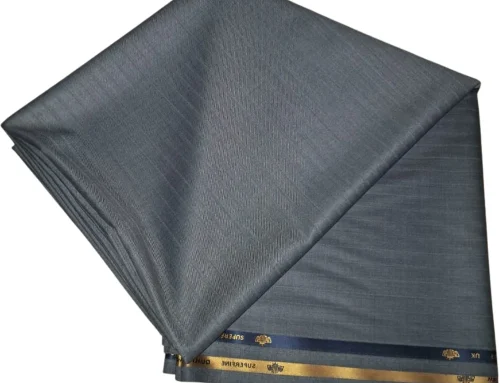
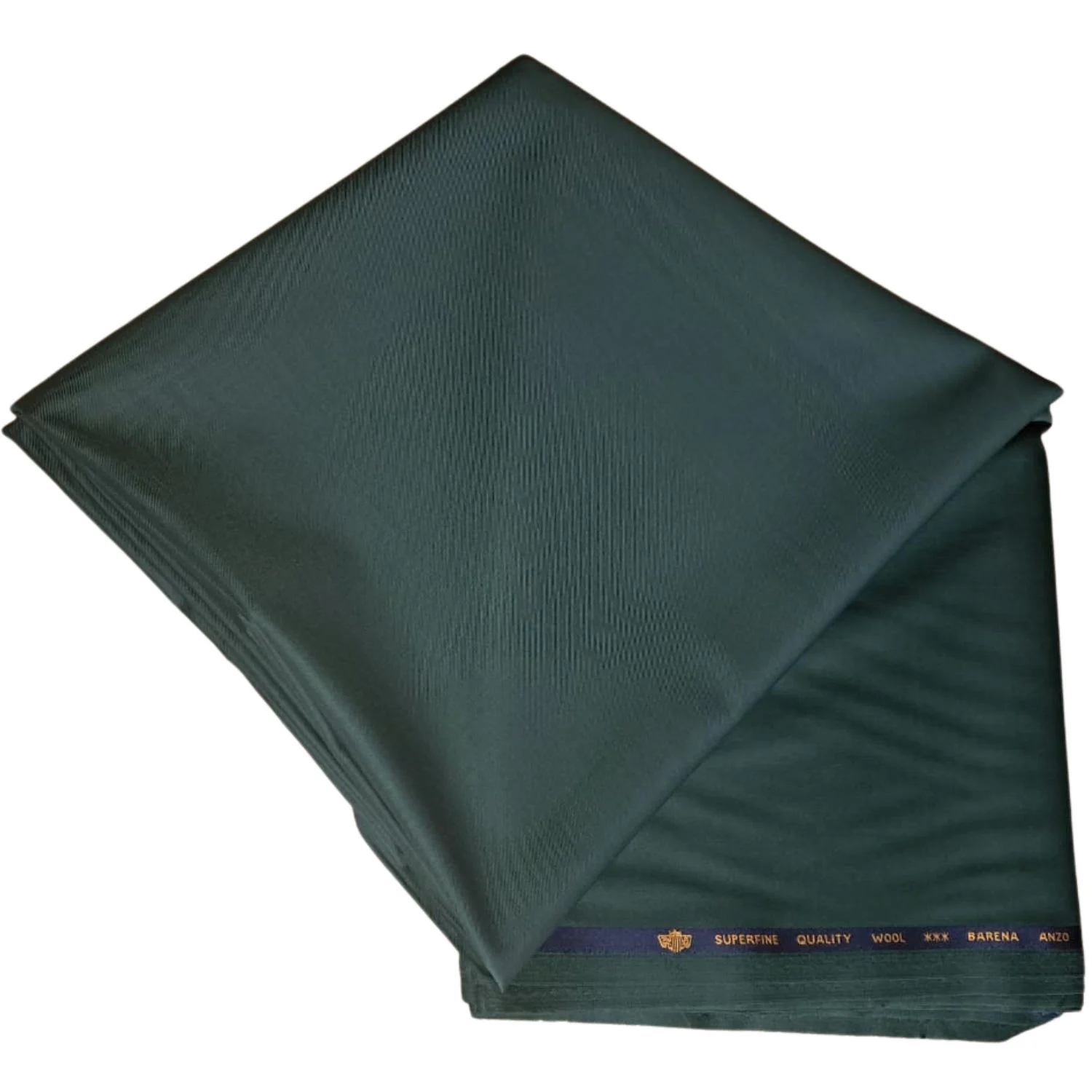
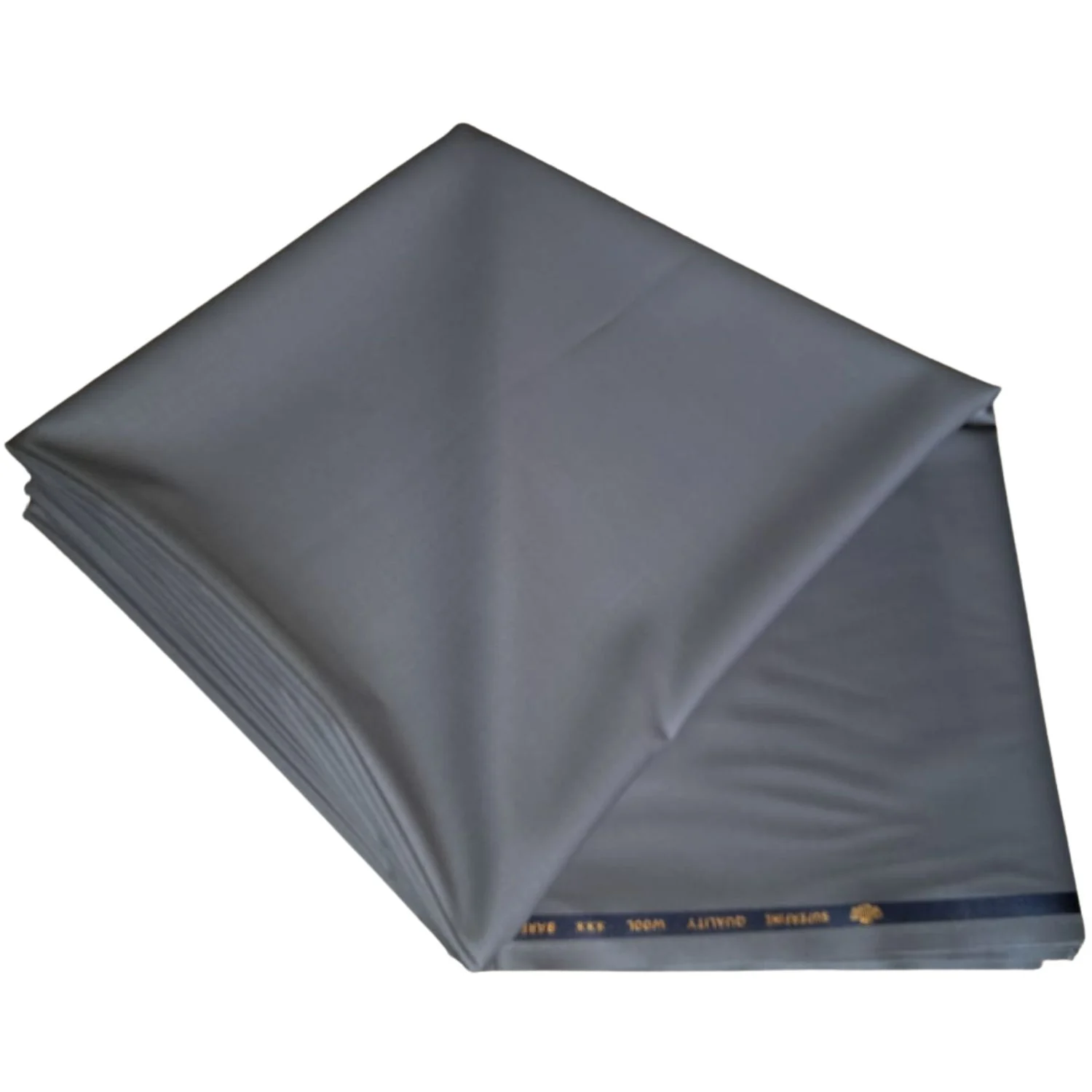
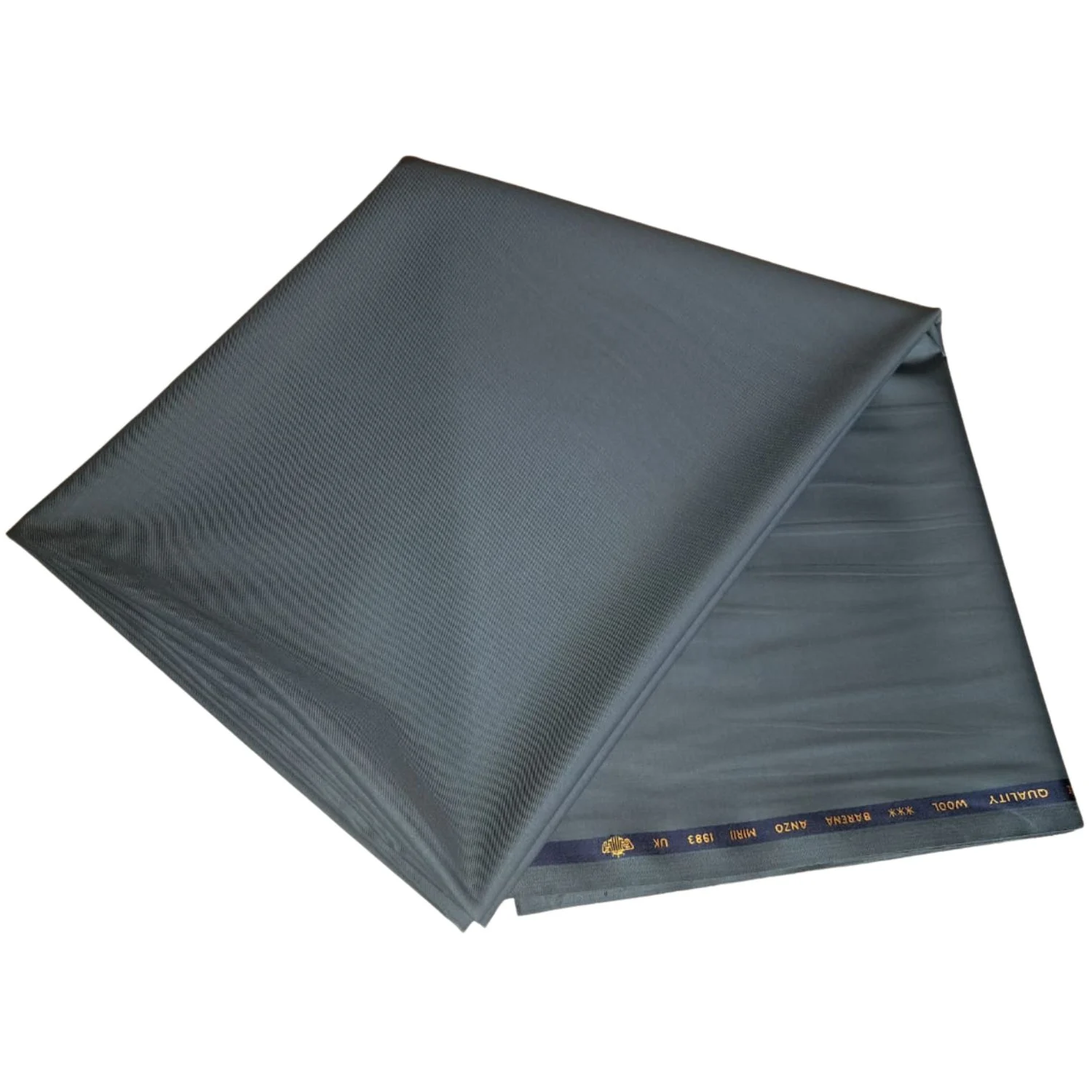
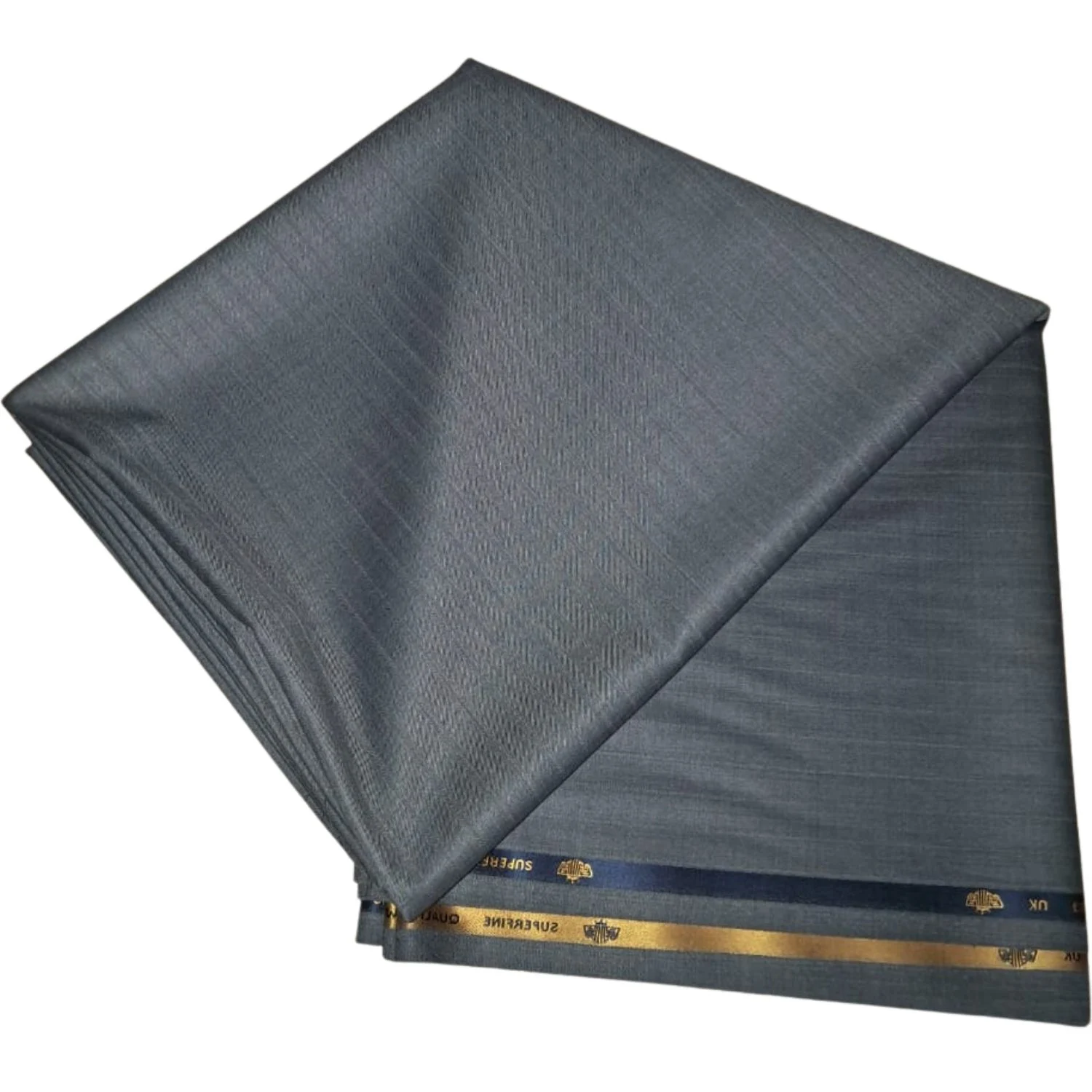
| 1983 UK Barena Anzo Mirii Superfine | ₦199,950 |
These are distinct product families and quality levels. They shouldn’t be treated as identical materials merely because they are grouped within OFadana’s broader fabric selection.
Aso Oke, Aso-Ebi and Group Clothing
Aso Oke has an obvious connection with coordinated traditional ceremonies, particularly weddings and engagements.
When a group is using Aso Oke, make sure the required quantity and colour coordination are settled before tailoring begins.
For groups that instead decide on an OFadana fabric, OFadana can also supply coordinated material in substantial quantities.
This can be useful for men’s Aso-Ebi, wedding parties, family groups, associations, religious groups, title ceremonies and other occasions where many men need the same quality and colour.
For very large orders, confirming the required colour, quantity and batch ahead of time helps maintain consistency across the group.
How Many Yards of Fabric Do Men Need?
There is no responsible universal yardage rule that should be applied to every Aso Oke product.
Aso Oke construction and the way it is supplied can differ from OFadana’s standard fabrics.
Ask your Aso Oke seller and tailor to confirm the required quantity for your particular outfit.
For comparison, OFadana fabrics are approximately 58–60 inches wide, and the usual reference is:
4 yards — Senator, Kaftan, Dansiki or Suit
8 yards — complete Agbada
Those figures apply to OFadana’s fabrics.
Do not automatically use them when purchasing Aso Oke because the construction and width may be different.
Buying Fabric Online in Nigeria
Buying fabric online can be difficult because photographs don’t fully communicate texture, feel and finishing.
For Aso Oke, use a reputable seller and obtain clear information about the actual material, quantity and design before paying.
If you decide that an OFadana fabric better suits your outfit, OFadana uses a different risk-reduction approach for customers in Nigeria:
Free Delivery Nationwide. Pay on Delivery Nationwide. Check your fabric at your doorstep and pay only when you are satisfied.
You can inspect the OFadana fabric delivered to you before paying.
That gives you an opportunity to confirm what you received rather than relying completely on online photographs.
Frequently Asked Questions About Aso Oke Material
What is Aso Oke Material?
Aso Oke is a traditional woven textile strongly associated with the Yoruba people of Nigeria. It is used in traditional clothing and has important cultural and ceremonial significance.
Is Aso Oke Material for men?
Yes. Aso Oke has established uses in men’s traditional dressing, including Agbada and traditional caps.
Can men use Aso Oke for Agbada?
Yes. Aso Oke is strongly associated with traditional Yoruba clothing and can be used for men’s Agbada, including ceremonial and wedding outfits.
Is Aso Oke good for a groom?
Yes. Aso Oke can be an excellent choice for a groom, particularly where Yoruba traditional dressing forms part of the wedding or engagement ceremony.
What are Sanyan, Etu and Alari?
Sanyan, Etu and Alari are names associated with traditional varieties of Aso Oke. Modern market products can vary, so buyers seeking a particular traditional type should verify the actual textile they are purchasing.
How much is Aso Oke Material in Nigeria?
There isn’t one universal Aso Oke price. Cost varies according to the type, quality, weave, design, quantity, finishing and seller. Always confirm what quantity is included before comparing prices.
Is Aso Oke better than cashmere for Agbada?
It depends on the desired result. Aso Oke may be the better choice when its traditional woven identity is central to the outfit. An OFadana cashmere material may suit a man who wants a smoother fabric appearance and different finishing.
Does OFadana sell Aso Oke Material?
OFadana’s current fabric selection focuses on cashmere materials and other specific fabric families rather than Aso Oke.
This guide is designed to help men understand Aso Oke fairly and consider OFadana alternatives when those alternatives better match the outfit they want.
Final Thoughts on Aso Oke Material
Aso Oke Material remains an important part of Nigerian traditional clothing and Yoruba cultural expression.
For a man choosing Aso Oke because he wants its cultural identity and distinctive woven appearance, those are legitimate reasons to buy it. A different fabric shouldn’t be presented as automatically superior simply because it costs more.
The better decision comes from understanding the outfit you want.
Since 2016, OFadana has worked directly with customers selecting materials for Agbada, Senator, Kaftan, suits, weddings, traditional ceremonies and other important occasions. That experience shows how much the desired finished appearance matters when choosing fabric.
If Aso Oke gives you the traditional result you want, choose Aso Oke.
If you want a smoother fabric, different drape or another style of finishing, OFadana provides affordable and premium materials that you can compare before deciding.
Need More Information?
For information about OFadana fabric sizes, Free Delivery Nationwide, Pay on Delivery Nationwide, inspection before payment, returns, payments and ordering, visit the Cashmere Fabric Nigeria FAQ.
Shop Fabrics for Men in Nigeria
Explore OFadana’s affordable and premium fabrics for Senator, Kaftan, Agbada, suits and other men’s outfits.

Leave A Comment